The Cult of Fashion: How Reality TV Glamorized an Industry by Ignoring the Work
Reality TV sells fashion as a fairytale of front rows and dream deals. Former interns, students and seamstresses tell the less glamorous truth.
It started with two shows: “Project Runway,” a Heidi Klum-led gauntlet of runway design, and “America’s Next Top Model,” a Tyra Banks-led gauntlet of runway modeling.
Nearly a decade later, fashion-centric reality shows are almost as big a genre as music reality shows, and they have about the same approaching-zero success rate as the years go on.
So why do we fixate on these shows? Is it the visuals, the competition? Or maybe it’s something more like what “American Idol” offers: a chance to escape—a fantasy world where anyone can launch a fashion line, run a company or walk a runway.
But where the fantasy of talent shows ends where your own talent does, shows like “Project Runway” or “Fashion Star” make the promise of a glamorous life to anyone interested in fashion, with slim to no disclosure about what the real-world limitations or hurdles may be. The world of fashion, whether it be at a magazine, on a runway, or in a showroom, has been the subject of television fantasy since the days of television sitcom, “Just Shoot Me!”
For so many girls, the lure of catwalk flashbulbs, editorial spreads and dressing celebrities comes from Bravo and MTV.
They see Lauren Conrad effortlessly navigating an internship at Teen Vogue while still having the time to stare significantly at friends in outdoor cafes, go to school and head out at night.
Or Rachel Zoe, who seemed to only panic superficially and effortlessly manage her styling business while maintaining an archive of clothing worth millions. And of course who could forget “Sex and the City’s” Carrie Bradshaw, the relationship columnist and spiritual mother of all of these shows, who worked from home and owned a thousand Manolos.
When a person as impossible as Carrie becomes an icon, it presents a certain set of reality-adjustment issues for people who idolize her, but she is still fiction and so she isn’t so dangerous. The problems come when the business and all of its facets are turned in to a ten-episode romp with predominating themes of instant-gratification triumph.
Here’s the thing, though: the fashion industry, whether you’re an intern or a designer, is so free of instant gratification that all of those reality shows should be considered caricatures.
“When I was at FIT, all of the people in my classes acted like they were on TV,” says Jenna, a former student at the New York City fashion school. “They barely talked to each other, they all dressed up every day and they didn’t seem as in to classes as they were into what everyone else was wearing. It was a toxic place…I dropped out.”
“The Rachel Zoe Project,” “The Hills” and Kimora Lee Simmons’ “Life in the Fab Lane” seem to depict essentially incapable women who whine and throw themselves around in between café visits. It was the fashion industry blown up to celebrity proportions, and then shaved down to fit what people wanted to see: people stroking fancy clothes, women skittering around in high heels, and the main characters inking their dream deals and getting their dream jobs. Sure, there were snafus along the way—the time Whitney Port fell down on national television, for one—but they were about as real as the hyper-edited conversations had on film.
Even those first two challenge-based shows, “Project Runway” and “America’s Next Top Model” (and all of their progeny, like “The Cut,” “Fashion Star,” “Launch My Line,” “Make Me a Supermodel”) where the anxiety is palpable and the stakes are higher, are still farcical in that they skip the most trying parts of a designer’s and a model’s career: the time before the breakthrough.
Though the structure of these shows attempts to mirror these trials, they don’t. The distinction is that while reality show contestants are fighting for a goal that they have a real chance (1 in 20, at worst) of achieving, real people are fighting with millions of other people for dwindling jobs and projects, and without the carrot of prize money in front of their noses.
“I think many people don’t understand what goes in to being able to make a dress or a shirt when they go to fashion school,” says Eliza, a seamstress from Los Angeles. “Many of the girls I’ve met who want to be designers can’t make most of the things they design, and that’s very different from when I started. They are not prepared for how difficult it is, most of them.”
There is nothing about the rise, because the true rise—not the calculated game show models—isn’t something you can easily capture on screen. It’s only feasible to invest in following people who are already famous or who have agreed to compete, and in doing so, the producers of reality television will never really be able to depict the people who are slogging away. Besides, who wants to watch slogging?
One ex-magazine intern, Alyssa, who worked at Lucky and Elle during college, was particularly disappointed by what she saw on TV after her internships.
“I feel like in the media, the fashion industry is held up as this big, amazing world that anyone can break into if they try hard enough. It’s not, though—no one I know from my internships is working in fashion. All we ever did was deliver and pick up samples and organize the closet. Meanwhile, Lauren Conrad went to Paris as an intern. I don’t understand why they make everything seem so great when there aren’t close to enough jobs in fashion.”
Another issue that is barely (or never, honestly) made cinema verite is the fall of the industry in general. A few decades ago, the fashion industry was one of America’s largest for jobs and production, and in recent years it has shifted overseas to such a great degree that over 90% of the clothing most Americans buy is now imported. This was brought to national attention when people realized that the Team U.S.A. Olympic uniforms designed by Ralph Lauren had been produced in China, but the hubbub around the issue quickly died down.
At the intersection of fantasy and the real world come clashes, though—Diana Wang, a former intern at Harper’s Bazaar, sued Hearst in a class action lawsuit because she believed that as an intern, her time was abused in that she was not taught editorial skills so much as delivery skills.
Alexander Wang, fashion wunderkind, has been accused of running sweatshops, which he formally denied. Louis Vuitton complains passionately in ads and editorials about the flood of counterfeit purses on the market, and yet they continue to produce their products in Chinese facilities where scraps and patterns are used to make fakes on the same factory floor. And women like Kate and Laura Mulleavy probably wouldn’t make it through a “Project Runway” style competition, given their unorthodox approaches and how introverted they’re purported to be. But there’s no denying that they’re brilliant—so should Heidi Klum and company really be the arbiters of design on TV?
Teenagers looking for a career path will not see this. They will see the fairytale trajectories of Carrie Bradshaw, Lauren Conrad and Brad Goreski. They will first view the fashion world from behind the cameraman’s lens, and they will flock to FIT and FIDM accordingly, many of them without knowing how to sew a button.
No one will tell them that the jobs they want, as they imagine them, do not exist.
That it takes fashion editors years of work or family connections to get to where they are, and that their offices are markedly less swank than “The Devil Wears Prada” would insist.
That most designers have to work under other designers namelessly, hoping that the time is right when they set out to launch their own lines before they’re a Tom Ford or a Diane von Furstenberg.
That being a model involves a spell of breaking down of one’s identity, eating far less than is necessary for life, and almost certainly being swindled by managers and casters.
They will, in short, not know what they are getting into, and only once they’ve graduated will they fully realize that it’s not a world of “cut-throat” women who will pat you on the back and hand you plane tickets after they make you cry.
All the while, the Heidi Klums and Tyra Banks’ will persist, telling everyone that all they need is a little luck and a little elbow grease for the corner office and the front row seat at Fashion Week. “What everyone has to get is it’s not how you dress or how dramatic you are,” says Alyssa, who is now working for a PR firm.
“You really have to work so hard. There’s hours of work, and one day it might pay off… If you’re in [fashion] but if you don’t really love it, you don’t have a chance.”
From the MO print archive: this story first ran in The Future Issue of Meets Obsession Magazine.
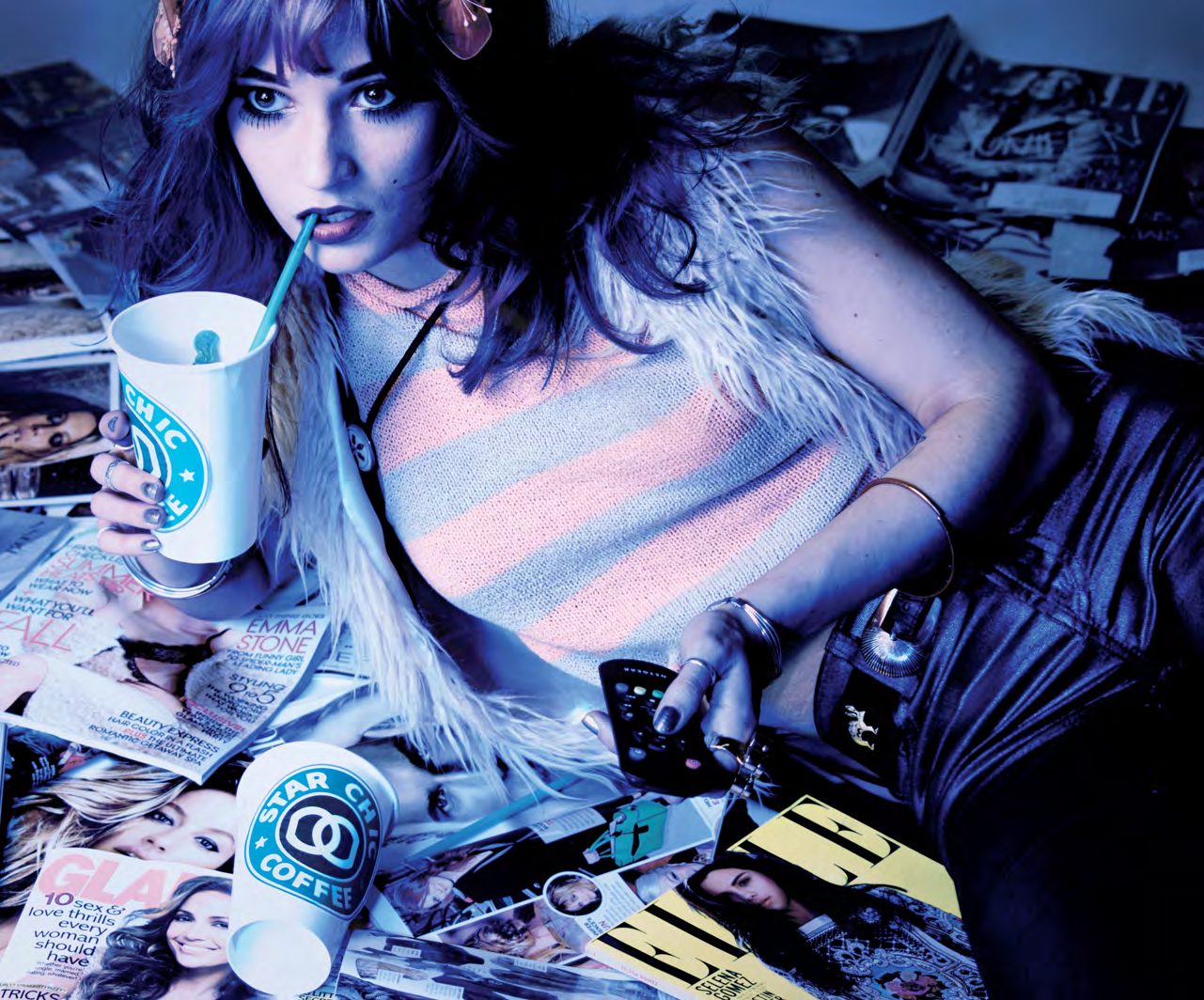
- Photographer: Sarah Elizabeth Kimble
- Model, Hair and Makeup: Lauren Ruth Ward
- Stylist: Rose DiFerdinando
- Assistant: Pablo Van Winkle
Keep it loud