The Future of Music and the Modern Musician
Is live performance the new rebellion or is it all going digital? Five bands, from MS MR to Caveman, read the tea leaves on where music is headed.
Art—like society—is constantly in transition.
Throughout history, artists have drawn insight from the past and used it to shape their work. Because of this, art is able to embody the shifting political, social and mental landscape of society in a very important way.
During the 1970s, Led Zeppelin poetically captured the psyche of America in their music. With echoes of war and increased rebellion against corporate masses, along with their blues-rooted musical archetype, they didn’t just create music, they became a platform for raising awareness and diving deep into the depths of human conditions and imaginations. Their songs depicted the nature of society at a given time. More importantly, their music has transcended time.
Other musical innovators such as The Beatles, David Bowie, Pink Floyd, Michael Jackson, Madonna and Lady Gaga have also pushed the boundaries of music by infusing an air of ultramodern unconventionality into their music, performance and overall technique.
In the late 90s, technology allowed individuals to engage with music like never before, making it more accessible, but perhaps, in some sense, less sacred.
And as technology moves at the speed of light, mediums of expression and creativity are continuously morphing and reinventing themselves.
Musicians, now more than ever, are finding inventive ways to combine and infuse literary, cinematic and visual inspirations into their music.
But where is the future of music going?
What genres, styles and instrumental trends will resurface or invent themselves?
What will the “role” of the future musician be? With the dire political, social and environmental chaos of today, will we see an influx of artists reverting back to social activism as they often did in the 60s and 70s?
Or, will the art of performance die out and leave the musical landscape to become completely digital?
In hopes of finding some answers, we asked some note-worthy modern bands where they think music is headed and how they’re channeling futuristic visions into their sound.
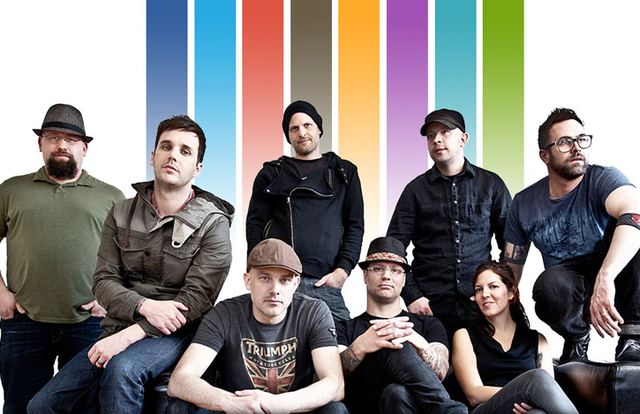
The Archive
Tell us a bit about the history of the band. How did you all get into making music?
Well, oddly enough, it was very happenstance. Everyone had been working on different musical projects, and we all met up, hung out and developed a focus on what we wanted to do collectively.
What do you love about music?
The other day we were talking about the power of music to change people’s perspective, which we’ve seen in past decades. Coincidentally, we happen to live in a time where people may be more receptive to that kind of shift. In the near future some folks will definitely be accessing higher consciousness and if our music is instrumental in that, then all the better.
What inspires you in the world? How do you incorporate these inspirations into your music/your musical craft?
Driving to the heart of what we’re trying to accomplish, it’s unfortunate that music has become very processed and slick. We’d like to deliver music that is melodic and listenable, but that also sends a clear, defiant rebuttal to the culture of overproduction and over-processing. We believe there is an audience out there that’s looking for more substance in the artists they listen to.
Where do you think the future of music is going stylistically, thematically and in terms of performance?
We’ve clearly seen a shift in the music business since the proliferation of file sharing. That said, live performance is a huge factor. As far as we’re concerned, a band that can’t perform live isn’t really worth their salt. Performance will be the new norm, almost like it was back in the beginning of rock n’ roll.
What do you believe is your job as a musician: To entertain, to instigate revolutions of thought and action? Maybe both?
As musicians, entertainment is always a factor.
Also, you’d like to think that instigation and provocation are in order, but after reflection maybe enlightenment is a better title for what our music is trying to accomplish.
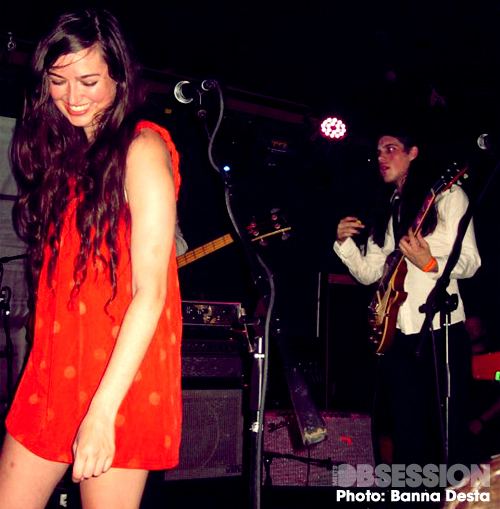
MS MR
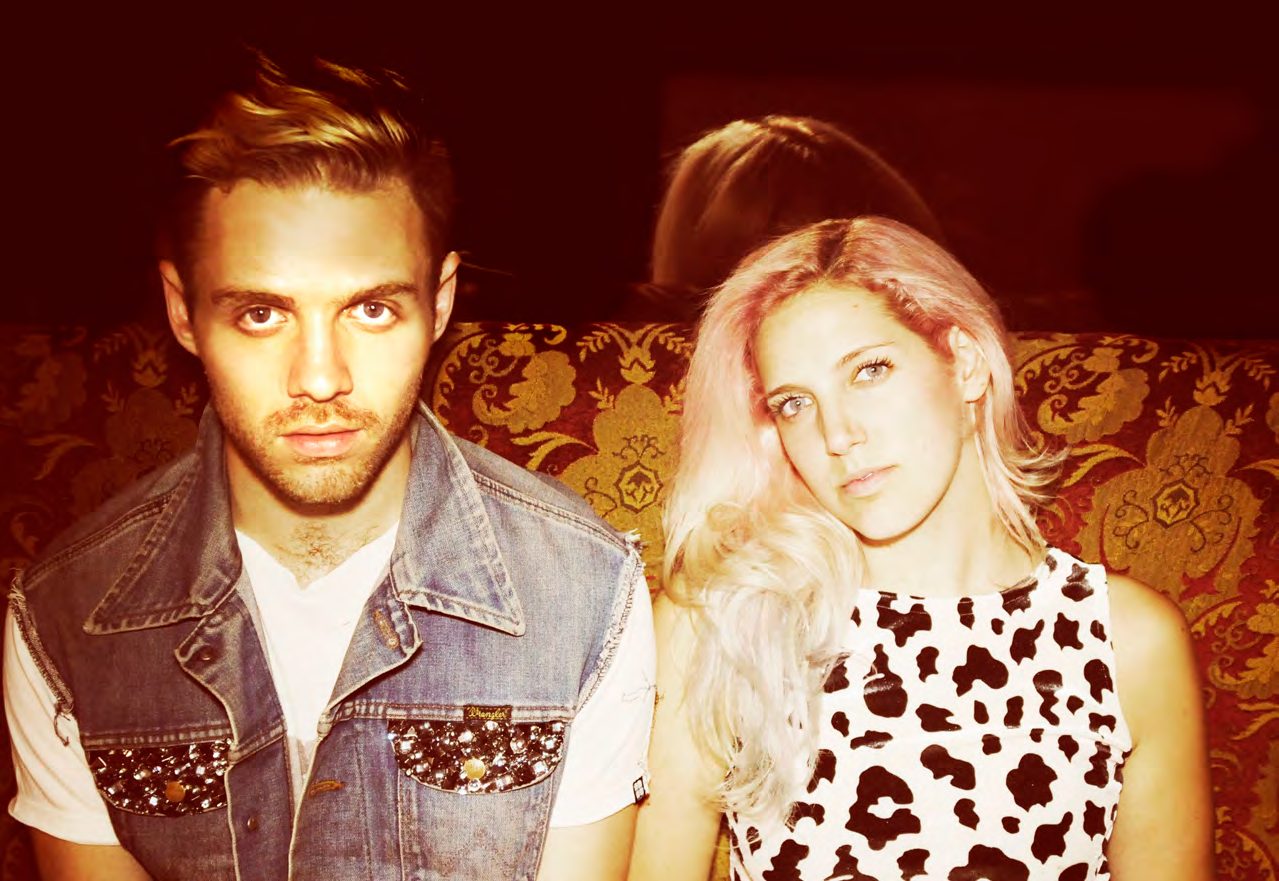
Tell us a little about MS MR? What are you guys up to these days?
Right now we’re traveling around Europe being debaucherous and wreaking havoc, one gorgeous city at a time. With our debut album on the horizon, we’re gearing up for what will undoubtedly be one of the most exciting and bizarre years of our life.
Describe the creative process of writing and composing music?
We create music in one of two ways. Either Max starts with sort of an audio sketch of a track and Lizzy will write a top line and lyrics over it; or Lizzy will write a rough a cappella track and Max will write the track around that. After we’ve each laid out our initial ideas, we spend loads of time editing each other’s contributions, so in the end our visions sort of seamlessly weave together to create a finished song.
Explain the idea behind your song “Hurricane”?
Most of the songs we write are quite metaphorical or philosophical, but “Hurricane” came out of our own very literal experiences and relationship to Hurricane Irene, which hit Manhattan. It was the fastest we’ve ever written a track. We didn’t overthink it – it just flowed out of us in a very visceral and reactive way.
What inspires you as an artist in the modern world?
We’re both very inspired by New York - Lizzy often writes lyrics and melodies while walking around the city. It’s home to so many incredible bands, so there’s a real sense of community and exchange between artists that’s definitely inspiring.
Music is powerful to us because it allows us to tap into our innermost emotions, while simultaneously removing us from our immediate world. It can be both an entirely personal, private escape as well as a platform for unity.
Where do you think (or hope) the future of music is going both thematically and stylistically?
As a result of the Internet, music is less and less geographically bound, meaning there are more opportunities for the cross-pollination of sounds and genres...
Ultimately, we have no idea how music is going to evolve, but that’s what is so brilliant…
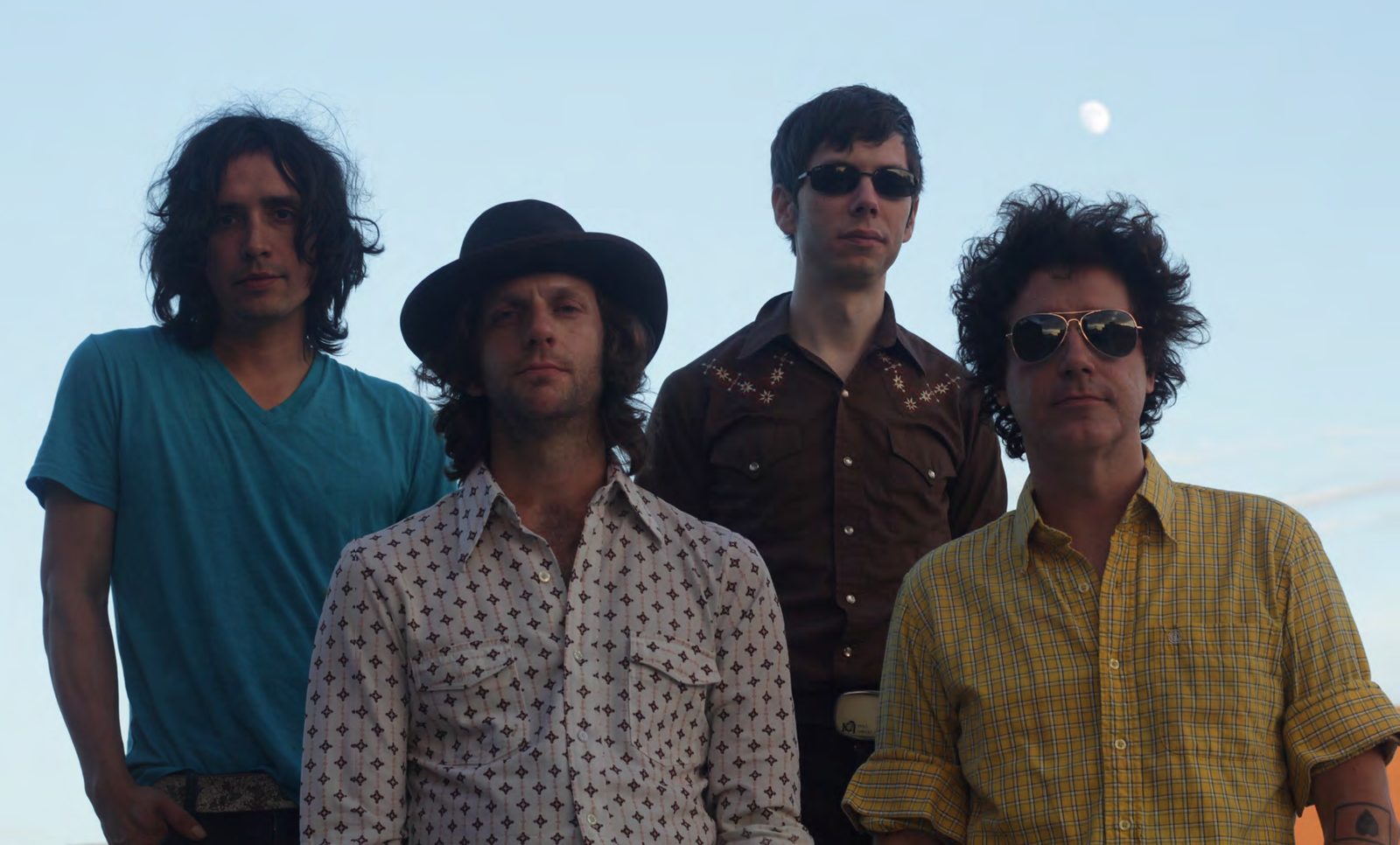
Caveman
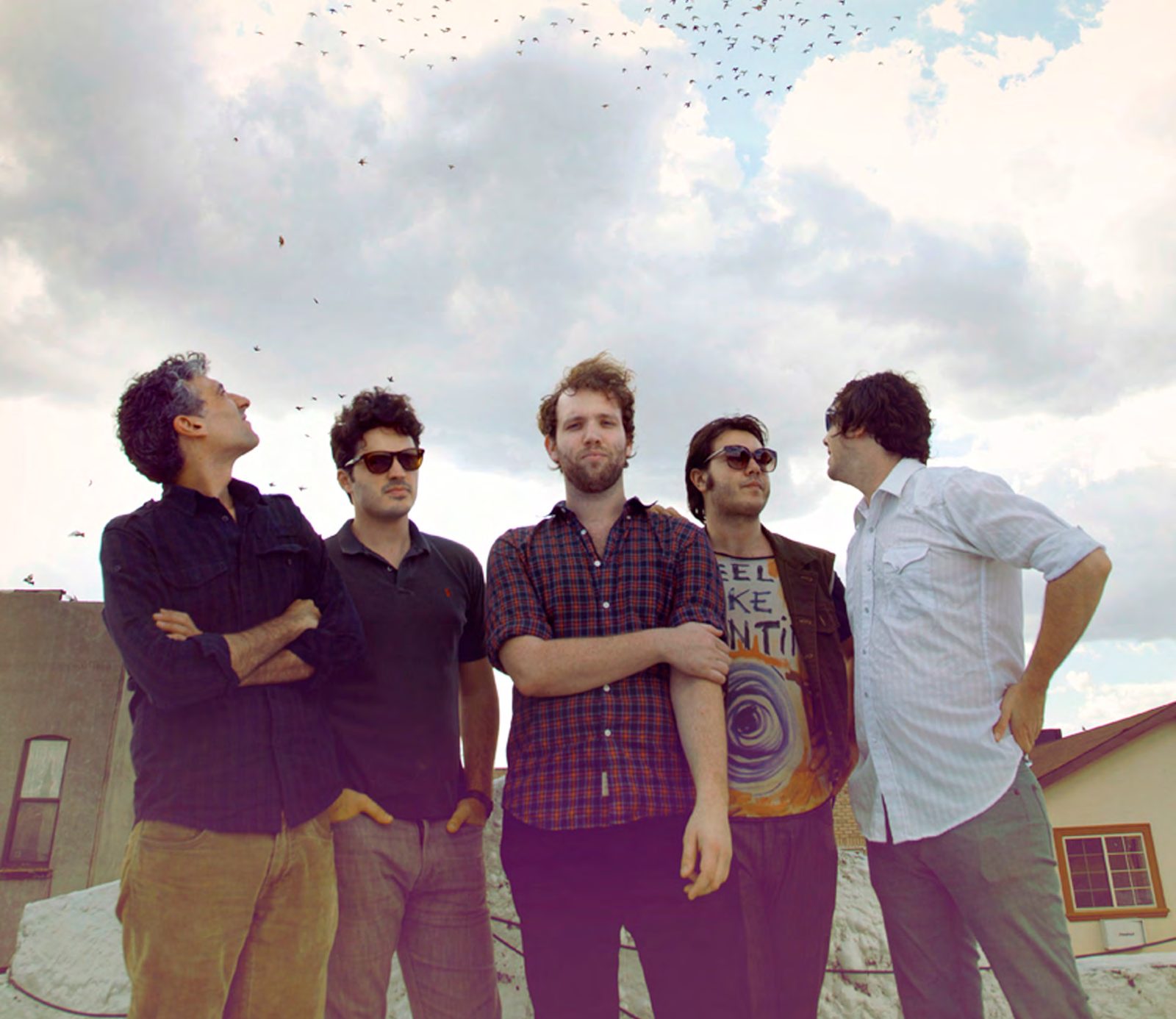
What is “Caveman” up to these days?
We spent the summer playing some festivals, hanging out together, and we just finished recording our second record.
How would you describe your musical style? How has this developed over the years since you began making music?
I’d say our music sounds like us. The more you get men singing in a room together the more things develop.
Describe how the new mediums of technology available for musicians today have helped you discover new levels of your musical craft?
I think new technology helps get ideas out faster, though it gets annoying staring at a screen sometimes. But it depends what new technology we’re talking about...
Name three artistic figures from the past that have somehow influenced you as an artist and/or as a person.
George Harrison, Michael Jackson and Winston Churchill.
In what direction do you think the future of music is going stylistically and thematically?
I think people are playing the music they want to play. And it’s coming from an honest place.
A lot of people trying their own thing.
Oedipus
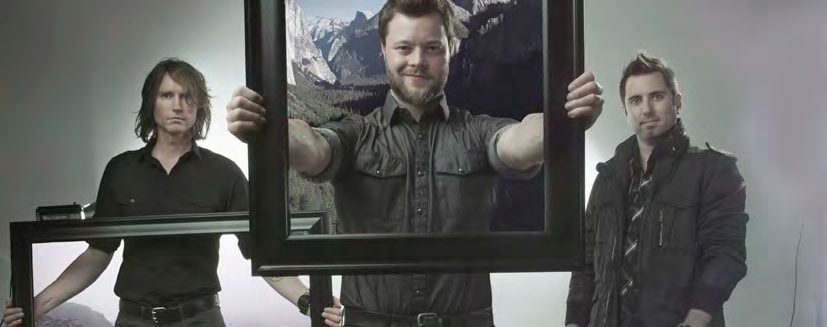
What is “Oedipus” working on currently?
After a year of touring, we’re doing our best to relearn how to stand still for a moment, and realize it’s normal to wake up somewhere and know where you are. The travel is fun, but finally getting a chance to get into a room together and really write new music is a relief.
How have new mediums of technology available for musicians today helped you discover new levels of your musical craft?
Aside from the relative ease of laptop computer recording—which makes sketching music while you travel much easier—the most useful thing expanding my idea of music has been the social functions of applications like Spotify. Being able to browse my friends’ and fans’ playlists, and using them as a filter to discover new music has really revitalized my life as a music fan.
Name three artistic figures from the past that have influenced you as an artist and/or as a person.
Charles Bukowski, in verse and prose, made me understand the beauty of self-deprecation and the grotesque. Bradley Nowell of Sublime showed me exactly how poignant being plainspoken can be, and the finer points of removing the flowers from your poetry—which can be especially liberating when you’re trying to describe something beautiful.
Seamus Conley, a contemporary painter, showed me with his work how surreal realism can be, and how to shine a light on the mundane in order to reveal the extraordinary.
I wish I were nearly as talented as any of these people. I’m working on it.
In what direction do you think the future of music is going stylistically and thematically?
Music is constantly hybridizing, like language.
There is a collision between electronic music and acoustic folk music which is happening right now, and it is fascinating. I think it is about to be the whole game.
Johanna and The Dusty Floor
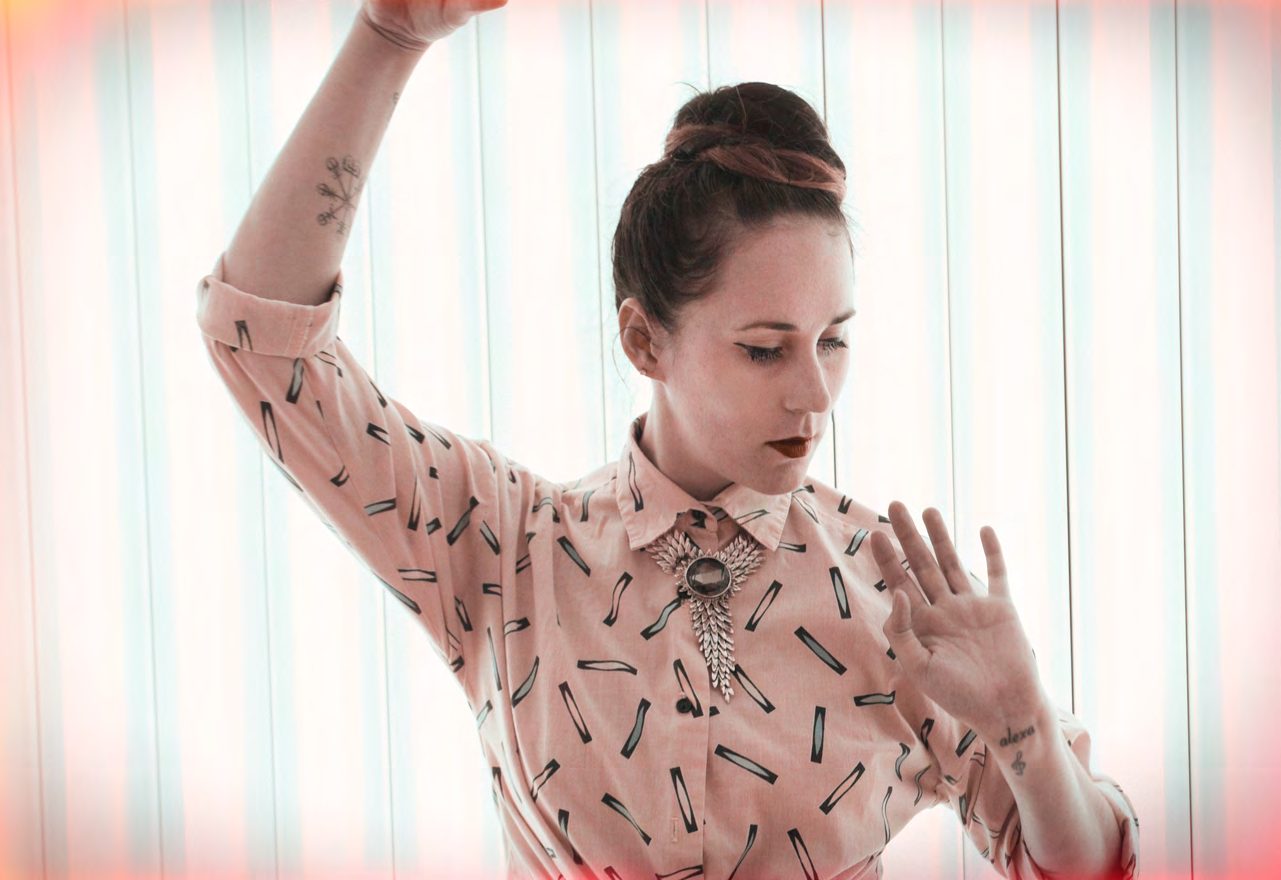
Tell us a little bit about what you’re working on these days?
I just finished recording my second full-length record and I’m halfway through the demos for the third. I’ve been on tour as the backup singer for the Cranberries most of this year, and that’s allowed me a lot of downtime to write.
Hopefully, I can find a little home for it in the New Year.
How do you blend different types of music into your own?
I have a jazz background, so I think a lot of my melodies have jazz flavors. I’m really influenced by Depeche Mode and the Cure, so I think some of my drum sounds come from them. Other than that, I try to just go with the flow when writing.
What role do you think technology plays in the creative process of art today?
Right now I’m super inspired by beats and electronic sounds, which obviously has a lot to do with technology. My musical thought process has developed mainly through technology. It’s given me the capacity to explore different sounds for the sake of inspiration.
Who in history do you believe has re-defined and created musical revolutions of thought, style and platform?
Roger Linn, the creator of the first integrated drum machine. He is, as far as I’m concerned, the most influential person in electronic music and styles.
Where do you think the future of music is going? What do you think your role is in the future of music?
I choose not to comment on the state of the industry. I think it’s a fruitless endeavor to try and make sense of it. A lot of people would argue that there’s no new music coming out and instead, we are regenerating old styles.
I disagree. I think it’s wonderful that we are circling around major musical changes in history. The reason being that the music—although laced with certain sounds and arrangements of those eras—also has a distinct “sign of the times” feel about it.
My role? I don’t know how to answer that. All I can say is that I am one small ant in a huge ant farm. All of us are trying to keep our promise to create and be passionate about the talent we’ve been given.
From the MO print archive: this story first ran in The Future Issue of Meets Obsession Magazine. We’re running these interviews as they first appeared, so the new records and tours the bands mention are long since out in the world.
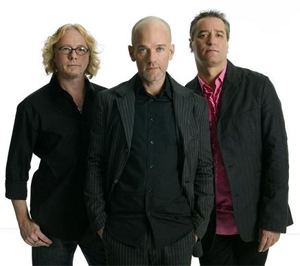
- Photographers: Cait Davis (The Archive), Shervin Lainez (MS MR), Kate Edwards (Caveman), Jessie Sara English (Johanna and The Dusty Floor)
Keep it loud